
Research on Online Harms
Technology & Democracy Initiative
We develop research and policy solutions to understand the impact of technology on society, especially where definitions and frameworks remain nascent. We focus on four areas — AI and democracy, integrity of information ecosystems, child safety, and technology-facilitated gender-based violence.
JUMP TO:
AI & Democracy | Integrity of Information Ecosystems | Child Safety | Technology-Facilitated Gender-Based Violence
AI & Democracy
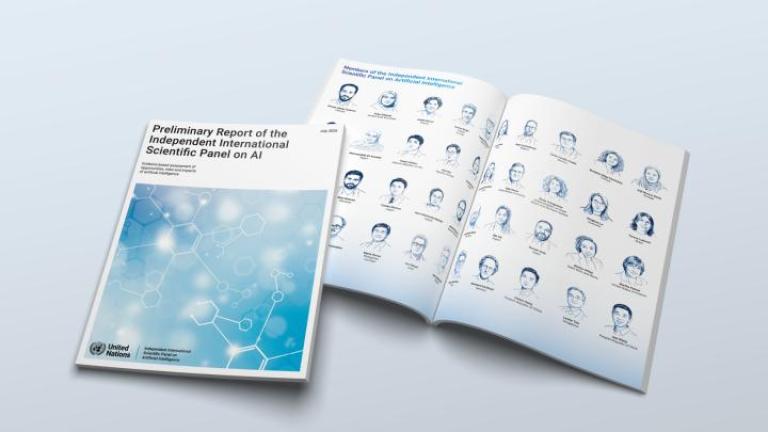
The Preliminary Report of the Independent International Scientific Panel on AI, cowritten by IGP Faculty Advisory Board Member Maria Ressa, is a first-of-its-kind independent scientific assessment of the capabilities, emerging opportunities, and risks of artificial intelligence.
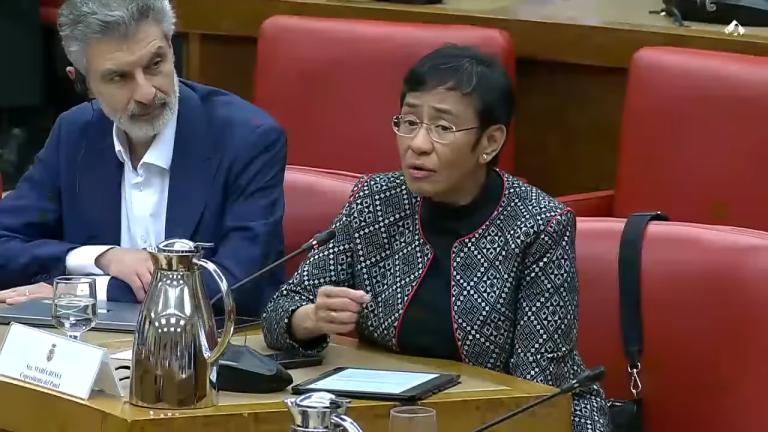
Ressa led the 40 person panel of distinguished scientists in a three-day work spring, and delivered opening remarks at the formal welcome ceremony hosted by Spanish Prime Minister Pedro Sanchez.

The fusion of agentic AI and LLMs marks a new frontier in information warfare, writes Maria Ressa.
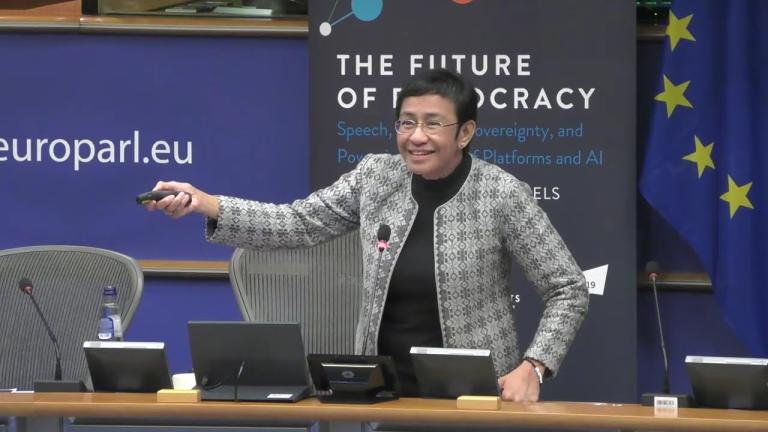
Co-hosted by ARTICLE 19, the Open Markets Initiative conference brought together leading thinkers, lawmakers, technologists, and advocates to discuss the direct and growing threats to democracies and basic liberties posed by today’s dominant online communications platforms, the rise of AI, and interference by foreign states.

Camille François hosted a book talk with Tim Berners-Lee to discuss the fight to restore the web’s founding principles of creativity, collaboration, and compassion.
The Global Dialogue on AI Governance, a high-level multi-stakeholder informal meeting during the 80th session of the UN General Assembly, is the UN forum where all governments and stakeholders can shape how artificial intelligence is governed worldwide.

Launched during the 80th session of the UN General Assembly, the Global Call for AI Red Lines urges governments to reach an international agreement on “do-not-cross” limits for artificial intelligence by the end of 2026 to prevent the most severe risks to humanity and global stability.

“It’s both deja vu and PTSD.” Maria Ressa, IGP Faculty Advisory Board member, Nobel Peace Prize-winning journalist, and author of the book How to Stand Up to a Dictator, sits down with Jon Stewart for a conversation about Trump’s authoritarian attacks on free speech.

What is social media's role in shaping democracy? IGP Researcher and Columbia SIPA Adjunct Professor Jen Weedon joined a panel exploring this question during Viva Technology, Europe's largest technology conference.
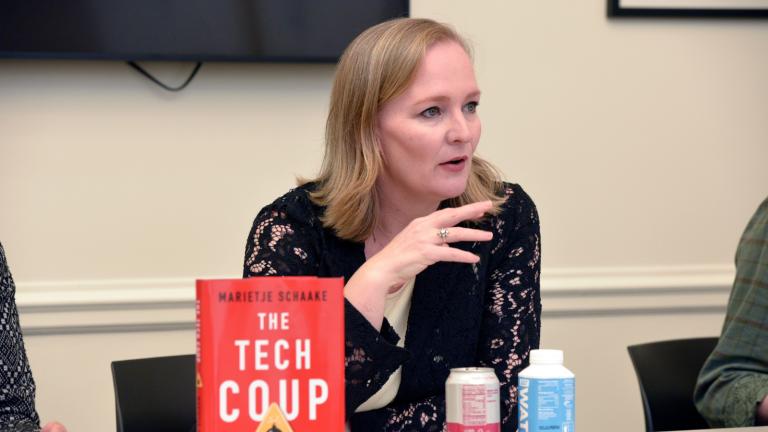
Marietje Schaake, International Policy Director at Stanford University Cyber Policy Center and International Policy Fellow at Stanford’s Institute for Human-Centered Artificial Intelligence, gave a book talk to SIPA students about her new book, The Tech Coup: How to Save Democracy from Silicon Valley.
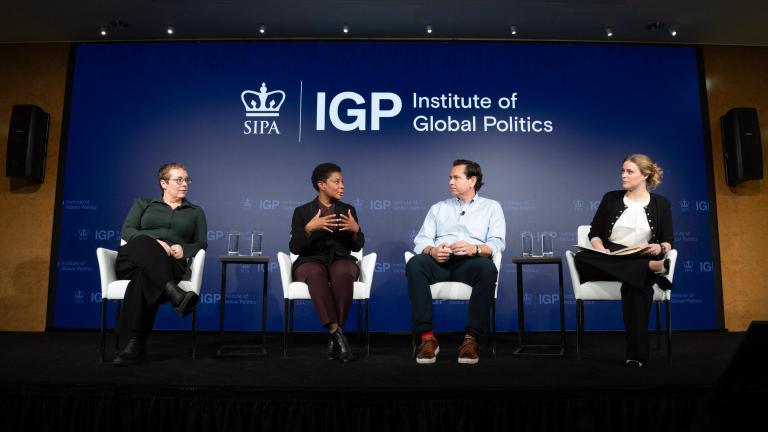
AI Democracy Projects convened a panel of experts for discussion, followed by a workshop aimed at measuring the performance of chatbots and other AI tools that provide information to the public.
Integrity of Information Ecosystems

Read the new report from the IGP's Technology & Democracy Initiative, AI Slop and the Information Ecosystem, by Jen Weedon, Camille François, and Jeremie Ponak.
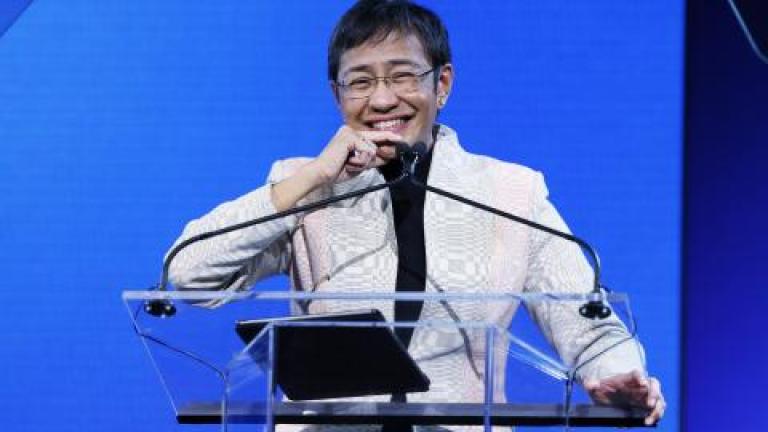
Maria Ressa, CEO of Rappler, 2021 Nobel Peace Prize Laureate, and Co-Chair of the UN Independent International Scientific Panel on AI accepts the Champion of Global Leadership Award from Annalena Baerbock, President of the UN General Assembly, on April 8, 2026.
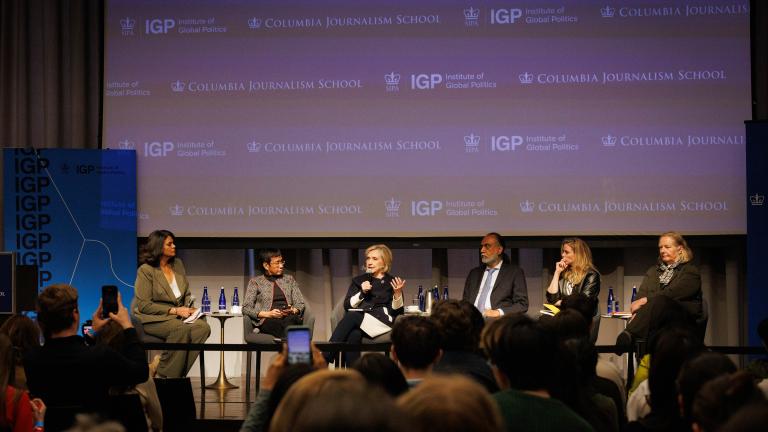
The Institute of Global Politics (IGP) Technology & Democracy Initiative and the Columbia Journalism School convened a public discussion on the collapse of the information environment and the frameworks needed to restore transparency and trust online.
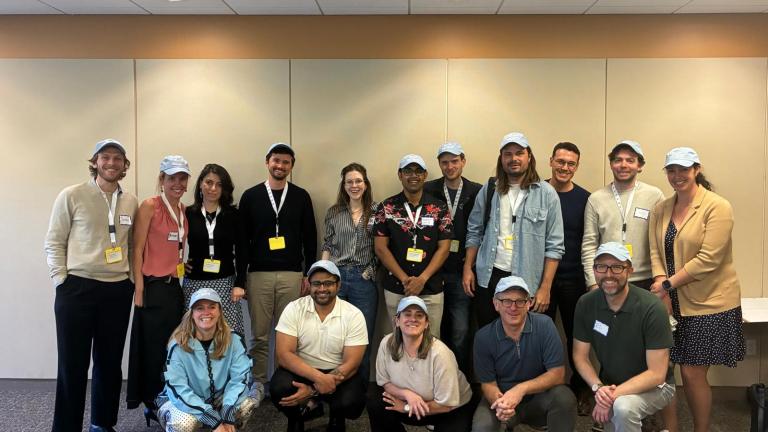
IGP and the Hewlett Foundation recently convened the Slop Salon, bringing together an interdisciplinary group of researchers, investigative journalists, technologists, and platform representatives to explore the boundaries and implications of AI slop.
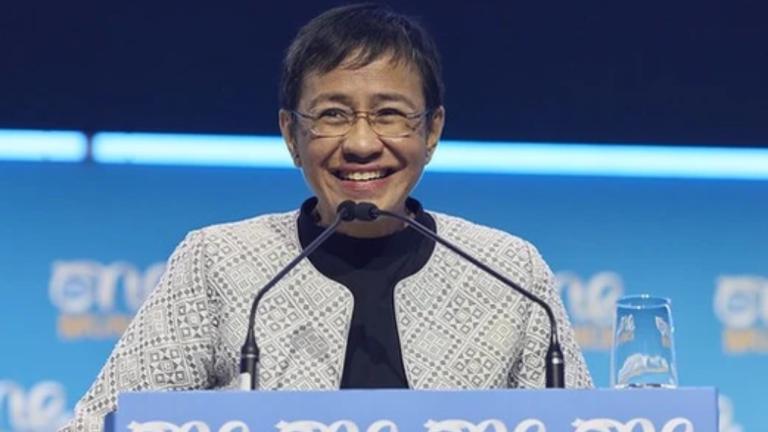
Speaking directly to over 2,200 participants from over 190 countries, Ressa addressed the “information armageddon,” the erosion of democracy enabled by tech and the importance of young people mobilizing to demand accountability from tech platforms and their governments and build collaborative solutions.
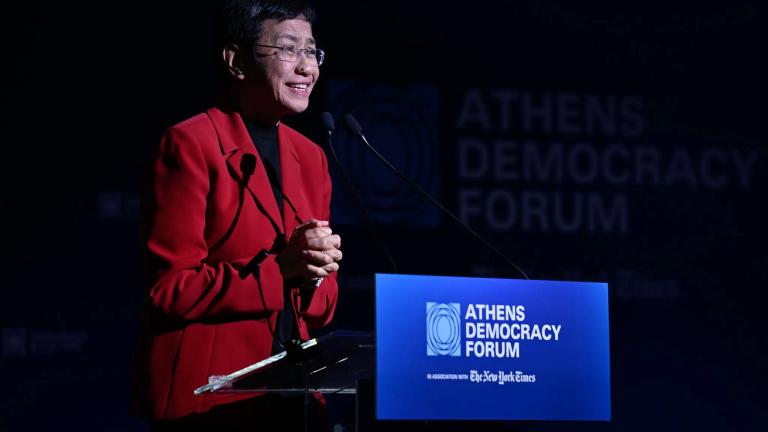
The Nobel Prize winner Maria Ressa told attendees at the Athens Democracy Forum that holding fast to “truth” was critical in restoring democracy, the New York Times reported.
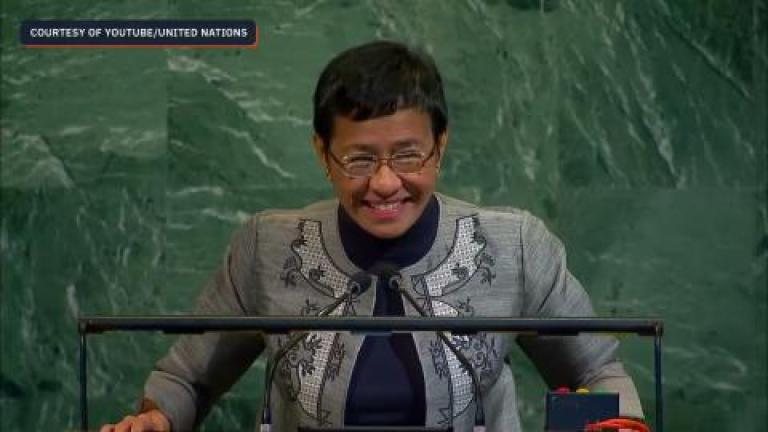
In a hall full of top officials and diplomats from all around the world, Nobel Peace Prize laureate, Rappler co-founder, and IGP Inaugural Carnegie Distinguished Fellow Maria Ressa called on the United Nations to win the battle for information integrity.

In a time of political polarization and global instability, with democracy under threat in many quarters, a group of Nobel laureates, including IGP Faculty Advisory Board Members Maria Ressa and Joseph E. Stiglitz, signed an open letter affirming the importance of democracy and multilateralism in support of the Initiative of 20 countries to promote democracy by strengthening institutions, addressing income inequality and tackling the online information ecosystem.
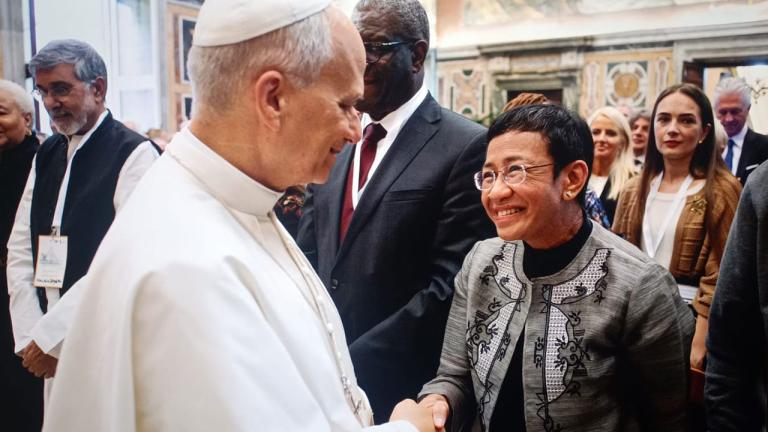
At the invitation of Pope Leo XIV, Maria Ressa spoke at the Vatican’s World Meeting on Human Fraternity, delivering a message to Church leaders and decision-makers from around the world urging action on information integrity.
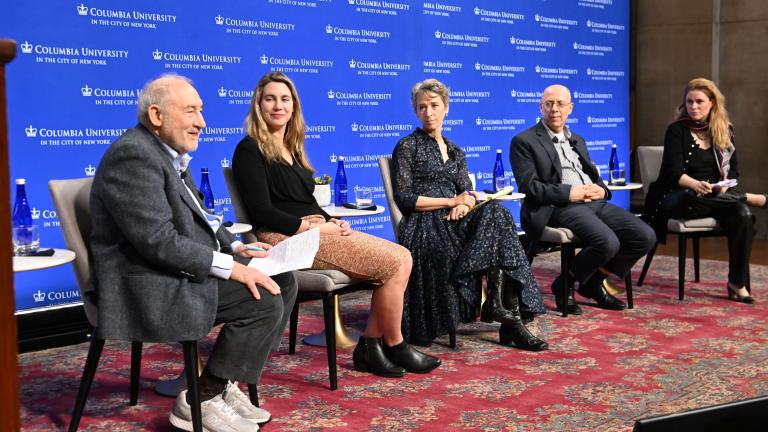
Experts from diverse fields explored AI’s impact on trust in expertise, human relationships, privacy, and market dynamics.

Presentation by French government agency responsible for countering foreign information manipulation highlights transparency as key to building trust.

IGP’s Camille François and Maria Ressa traveled to Paris to engage the public and the government on how AI poses new challenges to democracies worldwide
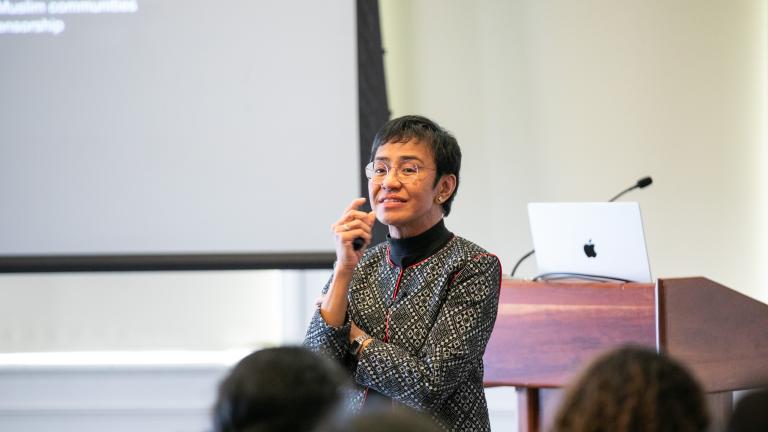
Democracy is at a tipping point, says Maria Ressa, Nobel Peace Prize-winning journalist and co-founder of the digital news outlet Rappler.
Child Safety

A new initiative brings mental health experts and AI safety professionals to the same table, with a focus on teen mental health while working in the open for the public interest.
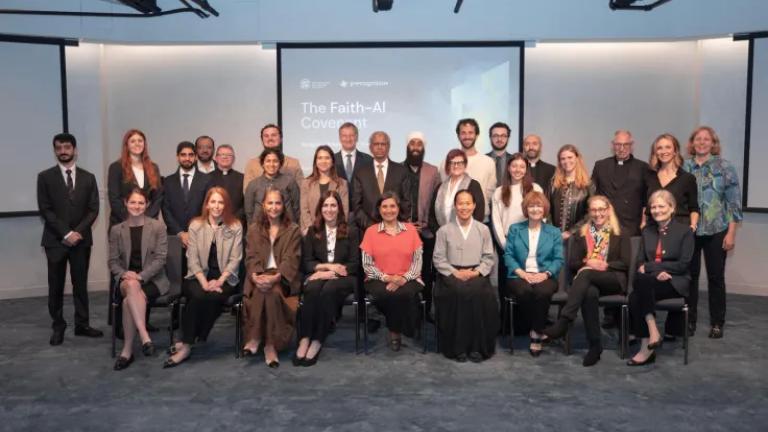
Camille François participated in the Inaugural high-level dialogue of the Faith-AI covenant of the Interfaith Alliance, gathering religious and spiritual leaders along with technology leaders to bridge the gap between the “Builders” and the “Stewards” (moral and spiritual leaders), presenting IGP's Technology & Democracy Initiative work on child safety safeguards.

"Children deserve to be protected as robustly as possible—and that requires tools we can actually understand," writes Camille François, Assistant Professor of Practice at Columbia University’s School of International and Public Affairs.

Researcher Jen Weedon of IGP’s Tech and Democracy Initiative spoke on how families can navigate children’s online and offline safety challenges during a Rowan Center panel.

In a private audience with Pope Leo XIV, François advanced the idea that the open-source safety stack incubated at IGP and now scaled through ROOST will help operationalize the principles articulated in the Declaration of Child Dignity in the Artificial Intelligence Era.
Technology-Facilitated Gender-Based Violence
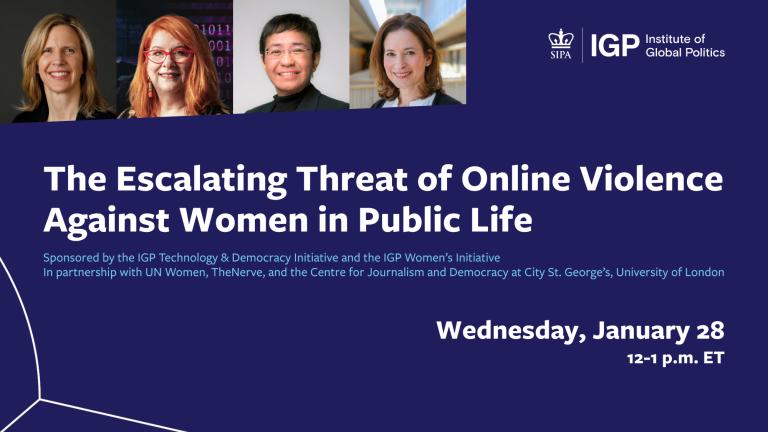
IGP's Technology & Democracy Initiative and IGP's Women's Initiative convened an expert panel to discuss how governments, multilateral institutions, and technology companies can take action to address online violence, abuse, and harassment.
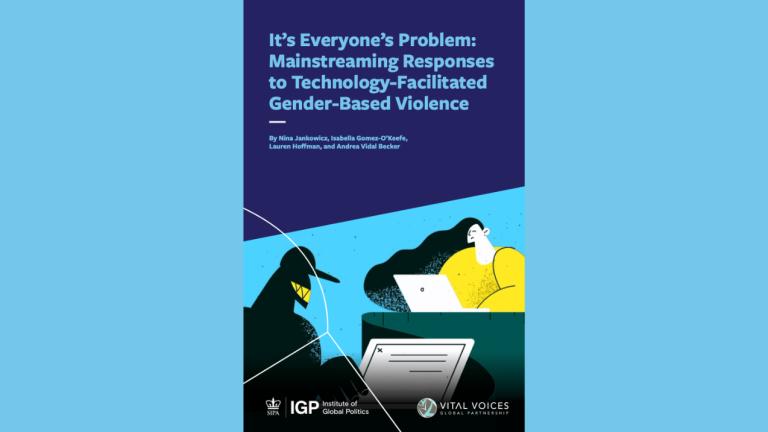
This IGP report, drawing on a case study around the online harassment of Australian eSafety Commissioner Julie Inman Grant, assesses the state of research on TFGBV as well as recent global policy progress made on this issue, and offers a number of practical solutions to make women and girls safer online.