News and Event Highlights
News and Event Highlights
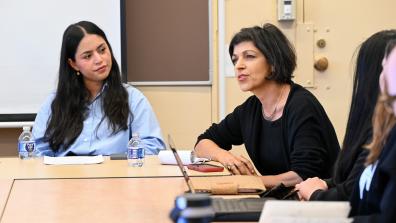
The Institute of Global Politics (IGP) Women’s Initiative convened a roundtable on October 9 to discuss the global implications of the erasure of Afghan women’s rights under Taliban rule.
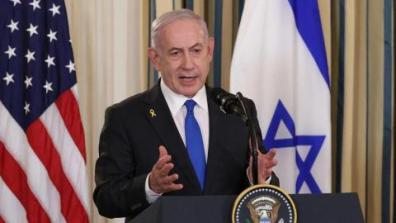
IGP Research Scholar Nadav Eyal joins CBS News to discuss the agreement between Israel and Hamas to eventually end the war in Gaza.
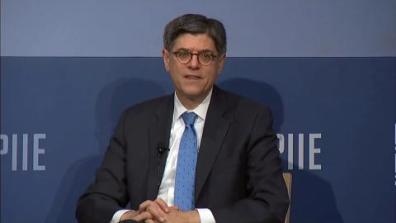
Former Treasury secretaries Jack Lew, IGP Faculty Policy Director, and Steven Mnuchin participate in a discussion on ways to strengthen the U.S. economy, hosted by Georgetown University.
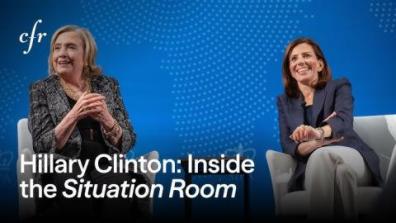
Secretary Hillary Rodham Clinton and Columbia SIPA Dean Keren Yarhi-Milo's new book, Inside the Situation Room, offers a window into how presidents and policymakers weigh risks, build consensus, and communicate their decisions to the wider public.
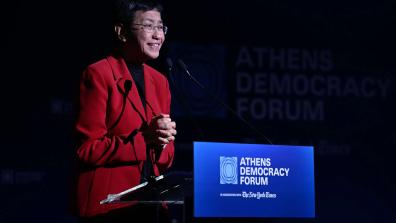
The Nobel Prize winner Maria Ressa told attendees at the Athens Democracy Forum that holding fast to “truth” was critical in restoring democracy.

Camille François hosted a book talk with Tim Berners-Lee to discuss the fight to restore the web’s founding principles of creativity, collaboration, and compassion.
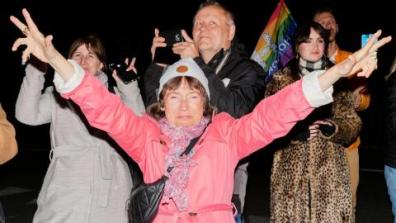
“History can offer both guidance and hope: Authoritarians have lost elections before, and they will again,” writes IGP Affiliated Faculty member David Shimer.
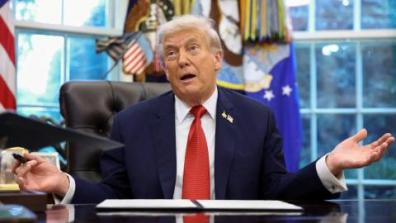
SIPA Dean and IGP Cofounder Keren Yarhi-Milo on how Trump’s foreign policy is ruining American credibility.